
What Are Dog Lice?
Louse attach themselves to the hair, fur, or feathers of an animal. They have hooked claws that allow them to hook into the follicle of the fur or hair, making it very difficult to detach them.
Chewing Louse
Chewing lice typically live on their host for up to 30 days by feeding on the host’s dead skin cells and skin secretions. They can feed and reproduce quickly in such a fertile environment.
Sucking Louse
The second and slightly more intimidating type of lice is called the sucking louse. This louse feeds on the blood of the host. Sucking lice bite the skin, burrowing their pincher-like mouths into the skin. Their scientific name is Linognathus setosus.
These little vampires damage the skin more quickly than chewing lice, so unchecked infestations can quickly cause larger issues. Fortunately, this type of louse is also very uncommon in Canada. They require a more tropical climate to thrive.
- Eggs, also called nits, are layed and glued to the base of the hair follicle, making them difficult to detach.
- Lice eggs are lighter in colour, often white or yellow, so they are usually mistaken for dandruff.
- In about a week, the eggs will hatch into nymphs. Nymphs are very small and much harder to spot than a full-grown adult.
- At this stage, you might not notice them at all if it weren’t for your dog’s reaction to this itch-causing pest.
- It will take another week or two before the nymphs reach adult maturity.
- At this point, they are ready to reproduce and start laying their eggs.
- Lice can lay eggs daily, which means infestations that go untreated can cause an exceedingly uncomfortable and unpleasant situation for your dog.
There is no need to panic if your dog gets lice! Dog lice do not like to infest humans. Most lice are quite species-specific; that is, dog lice like dogs and people lice like people. It is definitely possible for a dog louse to get on a person, and it might even bite or try to feed, but it will not set up an infestation. If you see a louse from your dog on yourself, just pick it off or squish it.
Like any pests, prevention is always easier than treatment. Fortunately, lice are not super common in domesticated dogs. Still, it’s important to know what steps you can take to limit your dog’s exposure and make his body an undesirable environment for lice to attach themselves.
The first and most important factor in preventing lice infestations is keeping your dog healthy and clean. Dogs living in filthy environments, like strays, and sick dogs, are the most likely to attract lice.
Keep your pet healthy by feeding a high-quality diet and having regular vet checks done. If your dog is showing any signs of illness, you should contact your vet immediately.
Additionally, because lice pass from canine to canine, it is best to keep your dog from interacting with strays or wildlife that may be carrying these pests.
I love hearing from all of you and do my best to respond to each and every one of you. I always enjoy your comments, feedback, and suggestions so keep them coming! If I’ve posted a recipe (for our human and our furry friends) and you try it, don’t forget to tag me on Instagram @twoadorablelabs and use #twoadorablelabs.

You Might Also Like
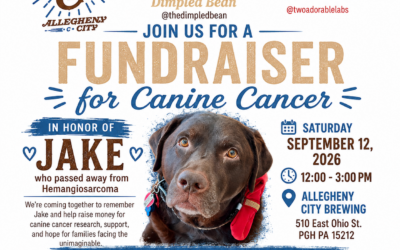
Jake’s Fundraiser Canine Cancer
Our beloved Jake passed away last year from Hemangiosarcoma. Our hearts were and still are broken. We want to honor him and raise money to support canine cancer research by hosting a fundraiser. We created The Dimpled Bean, collaborated with Puppy Paws Coffee to...
Can Dogs Eat Yogurt?
Happy Wednesday, everyone! We’ve had a very busy summer so far. We launched The Dimpled Bean, our online store, and collaborated with Puppy Paws Coffee to create Jake’s Coffee. We had dog bows made that are the cutest coffee bean pattern. We collaborated with...
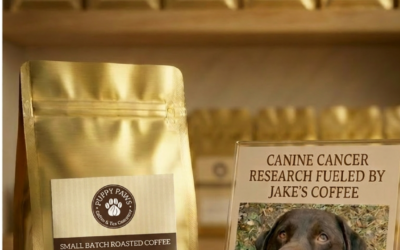
The Dimpled Bean, Fighting Canine Cancer One Cup At A Time
Happy Wednesday, everyone! It’s been a few weeks since my last post, and I’m sorry about that. We have been working on a big project, and now I can finally share it with you...The Dimpled Bean, Fighting Canine Cancer One Cup At A Time. When Jake passed away from...
What Does Guaranteed Analysis On Pet Food Labels Mean?
Happy Wednesday, everyone! What Does Guaranteed Analysis On Pet Food Labels Mean? When I used AI to generate an answer, it gave me the following short version. I then researched to give you a more detailed description. If you are ever curious about a pet-related...
0 Comments