
What Is A Reverse Sneeze In Dogs?
Jake, where are your ears?
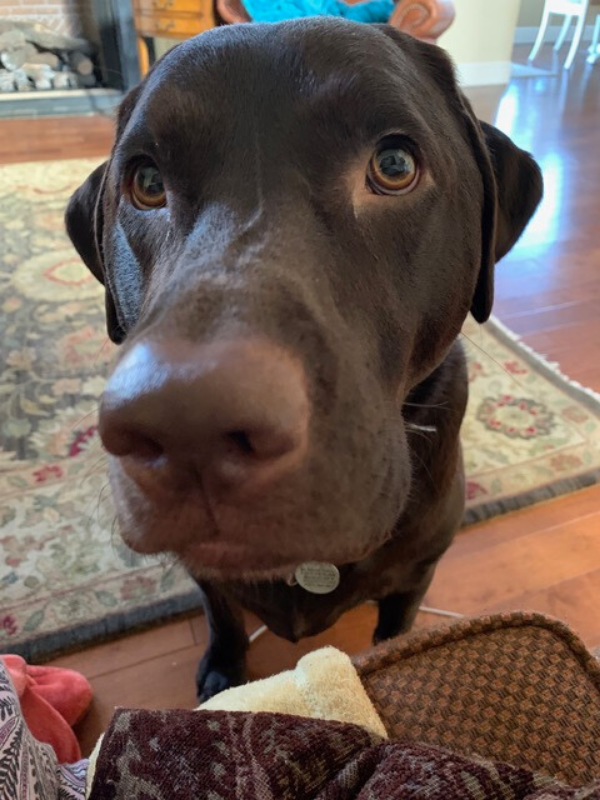
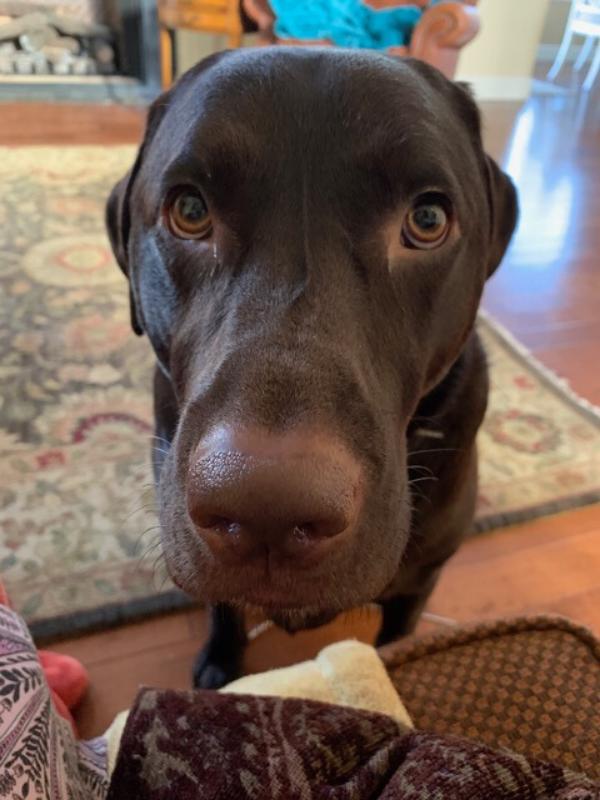
Oh, there they are!!!
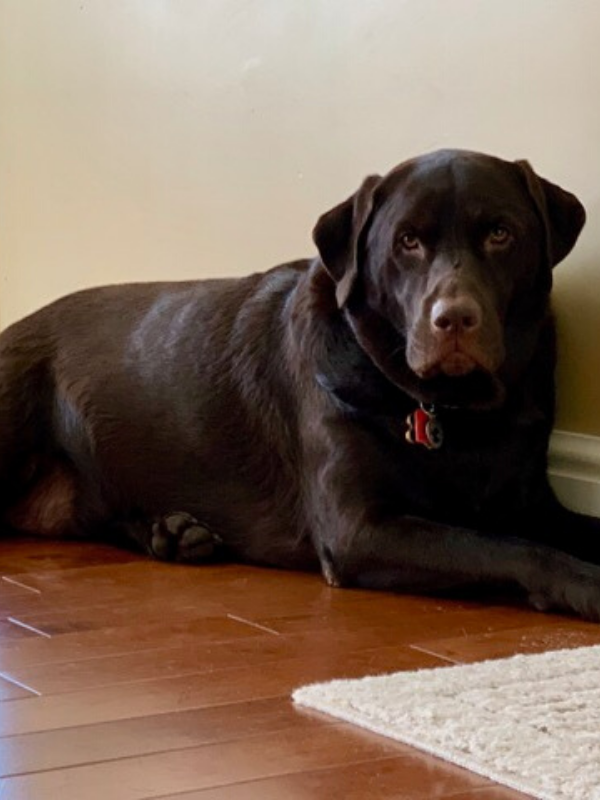
Reverse sneezing (also called backwards sneezing or inspiratory paroxysmal respiration) is a phenomenon observed in dogs, particularly in those with brachycephalic skulls. … During a reverse sneeze, the dog will make rapid and long inhalations, stand still, and extend its head and neck. A loud snorting sound is produced. Brachycephalic is a term that describes the short-muzzle and flattened face of many popular dog breeds, and is caused by genetic mutations that change the way the bones in the skull grow, resulting in a in a shorter, wider skull shape. Most episodes of reverse sneezing last for around 5 to 20 seconds, though they can last for up to a minute or, in rare instances, even 2 minutes.
The first thing you want to do is help them but you don’t know how. It is an instant reaction but you also don’t want to hurt them anymore if they are in pain already. Dr. P. Reassured me this was normal and Bear went on to have episodes during his long life. I would just keep him calm and he learned that it was nothing to fear. Although it can be alarming to witness a dog having a reverse sneezing episode, it is not a harmful condition and there are no ill effects. The dog is completely normal before and after the episode.
A common remedy is to hold the dog’s nostrils closed for a second and lightly massage its throat to calm him. Lightly blowing in his face may also help. This should cause the dog to swallow a couple of times, which will usually stop the spasm of the reverse sneeze.
Possible causes of excessive reverse sneezing include allergies, infections, masses, foreign material (e.g., grass awns), or anatomical abnormalities that affect the nasopharynx. Nasal mites, small parasites that can infest the nasal passages and sinuses of dogs, are another possible cause of reverse sneezing. It is important to get your dog checked just incase there isn’t something more serious.
The most common signs associated with nasal mite infestation include bleeding from the nose, sneezing, “reverse sneezing” (sniffing air rapidly inward), impaired ability to pick up scents, facial itching, nasal discharge, labored breathing, head shaking, and high-pitched, noisy breathing. The tiny bugs take up residence in your dog’s nasal passages and then breed, and cause your dog serious discomfort. Nasal mites are about 1 millimeter in size and can be seen with the naked eye. Nasal mites are highly contagious and spread by nose-to-nose transmission between dogs.
Dr. P. Recommended that I give Bear some Benadryl if I felt the need. In most cases, you can improve the condition by using a vaporizer for dry air or Benadryl for the underlying allergies. In severe cases, your vet may need to use prednisone, but this is rarely needed.

You Might Also Like
What Is the “777” Rule For Dogs?
Happy Wednesday, everyone! What is the "777" rule for dogs? The 777 Rule for Dogs is a simple guideline that helps adopters understand what to expect when bringing a new dog home—especially from a shelter or rescue. It reminds you that adjustment takes time and...
What Are The Health Hazards Of Walking A Dog During Winter?
Happy Wednesday, everyone! What Are The Health Hazards Of Walking A Dog During Winter? Maggie loves playing in the snow, but the major snowstorm that rocked our area on Sunday made it hard for us to stay out and play as long as we normally do. We got about 14...
0 Comments