Cancer In Dogs

Sep 30, 2025 | Pet Health, Pets

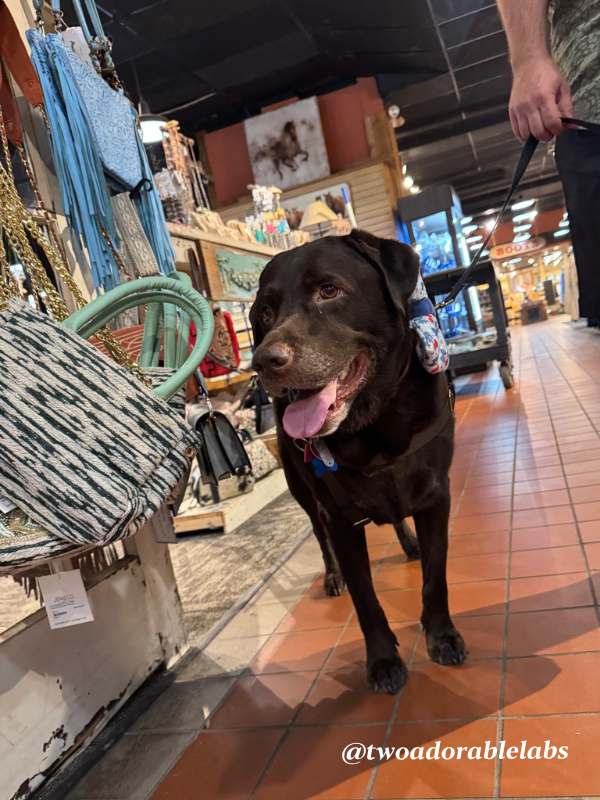
Happy Wednesday, everyone.  Today, we’re discussing cancer in dogs and what to look for.  But first, I want to give a big thank you to all of you who called, sent texts, emails, and cards over Jake’s passing.  Mr. TAL and I received messages from all over the world, and we couldn’t be more appreciative.  You guys are the best.  It has been a difficult time for us, and we miss Jake terribly.  The house is not the same without him.  We have spent every day with Maggie helping her get over her brother’s death, and as we speak, we are in Cleveland with her.  She is enjoying the ALoft Hotel and all of the attention from guests and hotel staff.  I’ll talk more about our trip next week, but for now, I want to address cancer in dogs and talk more about the type of cancer Jake had.
 
Cancer is a common disease in dogs, affecting approximately 1 in 4 dogs.
 
 
Fighting canine cancer with veterinary oncology.  Just like their humans, dogs are also at risk for developing different types of cancer, including lymphoma and even breast cancer. The good news is, the same treatments used to treat cancer in humans are also available for pets with veterinary oncology.
 
While this is not a definitive list, here are some of the different types of cancer that can affect dogs.
 
 
Types of cancer in dogs:
 
Anal sac cancer – Anal Sac Cancer affects the scent glands located along each side of a dog’s anus. The primary role of these glands is marking territory, as they secrete small amounts of a foul-smelling substance during bowel movements.  Anal sac cancer is usually malignant with a high tendency to spread to other parts of the body. Both male and female dogs can develop anal sac cancer, with the average age falling around 10 years. Breeds known to be at risk for this form of cancer include the Spaniel breeds; however, it can affect any breed.
 
 
Bladder cancer – There are a few different types of tumors that can cause bladder cancer in dogs. The most common, transitional cell carcinoma (TCC), develops in the deeper layers and muscles of the bladder wall. As the tumor grows, it may invade the urethra and obstruct urine flow, causing difficulty urinating or total blockage. This can result in a serious pet emergency requiring immediate attention.  Bladder cancer is more common in middle-aged and elderly female dogs, and can occur in any breed. However, breeds most commonly affected include Shetland sheepdog, Scottish terrier, wirehair fox terrier, West Highland terrier and beagle.
 
 
Hemangiosarcoma – Hemangiosarcoma is a cancer that develops from blood vessels, with tumors typically developing in the spleen, liver, skin or heart. However, this form of cancer can grow anywhere in the body and usually affects middle-aged and older dogs.  Hemangiosarcoma can affect any breed, however, it’s most commonly found in German shepherds and both golden and Labrador retrievers. Males also appear to be predisposed to this type of cancer.
 
 
Liver cancer – Liver cancer can be a silent killer in dogs because obvious clinical signs are not always apparent. This type of cancer is caused by several different types of malignant tumors, however, it usually involves a single, large tumor called a hepatocellular carcinoma. This tumor is localized in the liver and does not commonly spread to other parts of the body.  Liver cancer can affect any breed and usually affects older dogs, although it has been known to occur in younger dogs.
 
 
Lymphoma – One of the most commonly diagnosed cancers in dogs, lymphoma is cancer of the lymph nodes and lymphatic system. In dogs, lymphoma can affect many different organs of the body, but is most commonly found in the peripheral lymph nodes, which are located deep within subcutaneous tissue (the innermost layer of the skin).  This form of cancer affects dogs of any age and breed, however, it’s most commonly found in golden retrievers and dogs between the ages of 6 and 9.
 
 
Breast cancer – Just like in humans, breast cancer involves tumors of the mammary glands. In dogs, there are 10 mammary glands that extend from the chest to the abdominal wall in rows of two. Tumors can develop in any of these glands, however, they’re more commonly found in the two sets closest to the hind legs.  Older female dogs are at higher risk of developing mammary tumors, particularly those that are unspayed or were spayed after 2 years of age. Breeds known to be at higher risk of developing mammary tumors include poodles, terriers, English spaniels and English setters.
 
 
Mast cell tumors – A mast cell tumor (MCT) is a type of cancer that is made up of normally healthy cells that have grouped together and formed a mass. These tumors most commonly form on the skin but can also affect other parts of the body. Including the respiratory and digestive tracts. In dogs, MCTs may be relatively benign and easily treatable with surgery. However, they can also be much more aggressive and spread to other parts of the body.  Although mass cell tumors can develop in dogs of any age, they are more common in older dogs, with boxers, bull terriers, Boston terriers and Labrador retrievers being the more susceptible breeds.
 
 
Melanoma – A common form of skin cancer in dogs, melanoma involves tumors that originate from melanocytes, which are the skin cells responsible for producing pigment in nails, skin and eyes. Although most commonly found as masses or lumps on the skin, these tumors have a high tendency of spreading and can affect different parts of the body. They also have a tendency to bleed as they continue growing.  Melanoma can affect dogs of any breed but is more commonly seen in chow chows, cocker spaniels, poodles and schnauzers.
 
 
Oral melanoma – Oral melanoma involves tumors that affect the oral cavity and is the most common type of oral tumor in dogs. This form of cancer can develop along the gums, lips and other parts of the mouth. The tumors may be benign or malignant and usually continue to grow, causing discomfort and difficulty eating.  Oral melanoma commonly occurs in older dogs with darker areas of pigmentation in the mouth. Breeds at higher risk include boxer, chow chow, cocker spaniel, German shepherd, German shorthaired pointer, golden retriever, Gordon setter, miniature poodle and Weimaraner.
 
 
Stomach cancer – Stomach cancer is not one of the most common types of canine cancer, but it can be one of the most devastating. This type of cancer generally shows no symptoms until it has already progressed to advanced stages. Several different types of tumors are associated with stomach cancer in dogs, most of which are malignant and may spread to other parts of the body.  This type of canine cancer is most commonly found in older male dogs. Breeds known to be predisposed to this type of cancer include the rough collie, Staffordshire bull terrier, Belgian shepherd dog and chow chow.
 
 
Soft tissue sarcoma – Soft tissue sarcoma is a common type of cancer found in dogs that consists of a variety of malignant tumors that affect the connective tissues of the body, such as fat muscles and cartilage. They usually appear in the form of non-painful lumps and can occur anywhere on the body, but most commonly develop on the limbs, chest or abdominal wall.  Soft tissue sarcoma can affect dogs of any age and breed, but is most commonly diagnosed in older, large-breed dogs, with golden retrievers, Saint Bernards and Doberman pinschers known to be at higher risk.
 
 
Testicular cancer – Testicular cancer affects male dogs and involves tumors that form on the testicles. Testicular tumors most commonly affect intact (unneutered) dogs over the age of 10. However, they can affect intact dogs of any age, particularly those with undescended testicles, a condition known as cryptorchidism.  Breeds known to be predisposed to the condition include Afghan hounds, boxers, collies, German shepherds, Maltese, Shetland sheepdogs and Weimaraners.
 
 
Thyroid cancer – Thyroid cancer involves tumors that affect the thyroid, a gland in the neck responsible for releasing important hormones that regulate metabolism and help control major functions of the body. Thyroid tumors are almost always malignant and often spread to the lungs and lymph nodes They can also invade nearby structures such as the windpipe, blood vessels and esophagus.  Fortunately, thyroid cancer is relatively uncommon in dogs, however, beagles, boxers and golden retrievers between the ages of 9 and 11 are known to be at higher risk.

 
Warning signs of cancer in cats and dogs include:
 
*Persistent or abnormal swelling
*Sores that do not heal
*Loss of weight and/or loss of appetite
*Bleeding or abnormal discharge from any body opening
*Difficulty eating or swallowing
*Lethargy or loss of stamina
*Persistent lameness or stiffness
*Difficulty urinating, defecating, or breathing


Genetics In Canine Cancer
 
This is an incredibly detailed article on the genetics in dogs plays a part in cancer mutation.  Your dog’s DNA plays a massive role in their cancer because genetics are the biological “manual” of the body. Because of this, cancer is often viewed as a disease of the genome (the complete set of genetic material in the body) rather than a disease of the tissue or organ it affects.  Your dog’s genes can both put her at risk for cancer and protect her from it.
 
Your dog’s body is made up of trillions of cells, and DNA can be found in each of them. DNA is the genetic material that codes the traits that make up your dog. It is composed of four nucleotides (A, C, T, and G). Simplistically, these four nucleotides are strung together in succession to form a gene. A gene codes for a specific trait, and there can be variations of each gene, called alleles.
 
Your dog’s genome has approximately 19,000 genes.  As a reference point, humans have between 20,000 to 25,000.  Among all species, including dogs, approximately 100 genes have the potential to cause cancer because of the role they play in cell division.  Genes that play a role in cancer can broadly be clustered into two groups: tumor suppressor genes and proto-oncogenes.
 
Chronic inflammation is a sneaky foe that can easily go unnoticed. Understanding chronic inflammation and its relationship to cancer in dogs is crucial to helping you safeguard your dog’s health.
 
The main causes of inflammation in the body include obesity, genetics, lifestyle, and environmental factors. Illnesses like chronic infections and autoimmune diseases also cause inflammation in the body.  Cancer itself can also cause inflammation in the body.  Inflammatory responses are intended to combat cancer cells, but prolonged inflammation can further damage healthy tissues and worsen the disease.  Chronic inflammation disrupts normal cell functions, causes DNA damage, and triggers the production of harmful substances in the body that can lead to cancer.  Chronic inflammation can contribute to the development of certain types of cancer in dogs, such as bladder cancer, skin cancer, and liver cancer.
 
 
Viruses That Cause Cancer
 
Cancer and its development are complex and multifactorial. In dogs, there have only been a few documented associations between viruses and tumor development. As a dog owner this is encouraging, because it means that most viral infections are not putting your dog at greater risk of cancer.
 
The kind of virus that can cause cancer in dogs is canine papillomaviruses (CPV). These viruses cause benign warts in dogs but in rare cases infection can result in a carcinoma.  Examples of viruses that can cause cancer in dogs include canine papillomavirus (CPV) and canine transmissible venereal tumor (CTVT). While CTVT isn’t technically a virus, it is a contagious cancer.  Viral infection is not a common cause of cancer in dogs.
 
Myths About Puppy Training You Should Stop Believing | www.twoadorablelabs.com
The deadliest cancer in dogs is hemangiosarcoma, which is what Jake had.
 
 
Hemangiosarcoma is a common and deadly cancer in dogs. The cancer tends to grow and spread rapidly, rarely giving the owner any clue their dog is harboring a fatal disease – until it suddenly strikes. On average, a beloved dog succumbs to hemangiosarcoma every two minutes.
 
 
Hemangiosarcomas Often Occur in Sites with A Rich Blood Supply
 
 
There is growing evidence that hemangiosarcoma cancer cells originate in the bone marrow and rapidly spread to other locations in the body. Experts often first detect hemangiosarcoma in the heart and spleen, which are the two most common sites for this type of tumor. This propensity for the heart and spleen is the reason these tumors are so deadly.
 
 
Hemangiosarcomas can suddenly rupture, causing massive blood loss and forcing owners and veterinarians to make difficult decisions within minutes of diagnosis.
 
 
Hemangiosarcoma is a Disease of Larger-breed, Older Dogs


Hemangiosarcoma most commonly affects:
 
*Middle-aged to older dogs
*German shepherds, golden retrievers, Portuguese water dogs and Labrador retrievers
*Slightly more males than females (in some studies)
*It’s important to remember that although hemangiosarcoma is more common in some breeds of dogs, any dog can be affected!
 
 
Unfortunately, no clinical signs (symptoms) are classic for hemangiosarcoma other than sudden, profound internal bleeding. Because this cancer doesn’t cause significant pain until a rupture occurs, few dogs show any sign of discomfort. Other clinical signs reported by owners include:
 
*Intermittent lethargy or fatigue
*Anorexia
*Panting
*Sudden collapse
*Sudden death


www.twoadorablelabs.com
I hope this post has helped address some of your questions about canine cancer.  There is a wealth of information available on the internet, through discussions with your veterinarian or surgeon, and by consulting with cancer research organizations and others who have experienced this diagnosis and treatment with their own pets.  I have had animals all my life, dealt with loss, taken care of sick animals, helped to rescue abused animals, and run this pet blog. I still don’t know everything.  Nothing really prepares you for when you lose your beloved pet.  I hope that, with every bit of information available and in my little corner of the internet, you can find some help when needed.
 
As I mentioned in the last post, I will continue with the Two Adorable Labs blog, including its name and logo, and will share Jake’s photos from time to time.  I want his memory to stay alive.  
 
If you would like to know more about dog-related cancer, check out my blog here:
 
 
I’m Bobbi Jo, a lab-lover who took my passion for animals and dogs and turned it into something bigger.  When I adopted Jake and Maggie, my love for them became the driving force behind Two Adorable Labs, and my blog was born.  My hope is to not only share them with the world, but to help educate others on the importance of animal health and well-being.

Two Adorable Labs has become a collection of all that I love.  I’ll send one post each week on things that bring me joy on animal health, home decor, and food recipes for humans and our furry friends.  I hope you enjoy these posts and much as I do creating them!

Cancer In Dogs | www.twoadorablelabs.com
7 Signs Of An Overstimulated Dog | www.twoadorablelabs.com
Cancer In Dogs | www.twoadorablelabs.com

I love hearing from all of you and do my best to respond to each and every one of you.  I always enjoy your comments, feedback, and suggestions so keep them coming!  If I’ve posted a recipe (for our human and our furry friends) and you try it, don’t forget to tag me on Instagram @twoadorablelabs and use #twoadorablelabs​.

If you do try and love my recipes, I would greatly appreciate a comment and rating.  I read every single one and respond to them.  It also lets Google know that the website contains quality content.  The more comments and 5-star ratings, the more Google will show my blog in search results!  Thank you so much!

As an Amazon Associate, I earn from qualifying purchases.

Jake and Maggie are now proud Ambassadors for Ava’s Pet Palace.
Log on to avaspetpalace.com/twoadorablelabs for 20% off your order!

Love, Jake and Maggie

You Might Also Like

Banana Strawberry Heart And Bark Dog Treats

Banana Strawberry Heart And Bark Dog Treats

Happy Wednesday, everyone!  I’m excited to talk about these Banana Strawberry Heart And Bark Dog Treats!  What a fun way to celebrate Valentine’s Day with your pet than to use Ava’s Pet Palace Love Bowl - SlowMo slow feeder and lick mat in the color Rosy Rover.  It...

Pet Products And Stocking Stuffers For Your Pet

Pet Products And Stocking Stuffers For Your Pet

Happy Friday everyone! Today, we are talking about Busy Blankets!  Every so often, I post about pet products I’ve tried and loved.  The Busy Blanket by The Peppy Pup turns playtime into a scent-seeking mission that keeps your pup busy up to five times longer than...

Your Dog’s Zodiac Sign

Your Dog’s Zodiac Sign

This is a re-post.  I've been asked to share this post again and I'm happy to do so.  I've always believed animals have amazing personalities and found this so interesting to research.  Enjoy!  Comment below and let me know what you think!     Happy Wednesday...

Snuffle Mat For Your Pet’s Entertainment

Snuffle Mat For Your Pet’s Entertainment

Happy Wednesday everyone!  Looking for treats and pet enrichment toys that can entertain and keep your pet busy?  This Snuffle Mat (#ad) is one of the best toys I have ever bought Jake and Maggie!  They love it.  Made with polar fleece material, it is soft, durable,...

The Ultimate Gift Guide For Pet Parents

The Ultimate Gift Guide For Pet Parents

This is a repost for anyone who is stuck on what to get yourself or the dog mom or dog dad in your life. I've added more gift idea links, as well as my pet products link, in case you want to see the products I've tried over the years....

What Do You Think? Let Us Know!

2 Comments

  1. Barbara Bolduc

    Bobbi Jo I’m so very sorry about you losing your precious Jake. You Mom just told me about it. I know you and Thomas are just devastated. I can’t imagine the heartbreak you both are feeling. They are our family and to lose that is beyond words. I worry about that all the time with Milo getting something that we cannot treat and have to make the same decision you had to. He’s 11 now and I treasure each and every day as I know he will be my last fur baby. Hugs sweetie as you navigate going forward. Hugs to Maggie too as I’m sure she is lost missing her brother….❤️

    Reply
    • Two Adorable Labs

      Thank you so much. Losing Jake has been extremely difficult, and we miss him terribly. He was truly one of a kind, so gentle and loving. The house is not the same without him. I made a tribute post about Jake. If you haven’t seen it, check it out….Rest In Peace, My Sweet Jake, and I also linked it in the post today on cancer. Maggie is missing her brother and is not the same, but we are always with her, navigating this tremendous loss. Give Milo an extra hug and kiss from us.

      Reply

Submit a Comment

Your email address will not be published. Required fields are marked *

This site uses Akismet to reduce spam. Learn how your comment data is processed.

Crop Image